How to Replace a Car Battery Safely: Step-by-Step Instructions
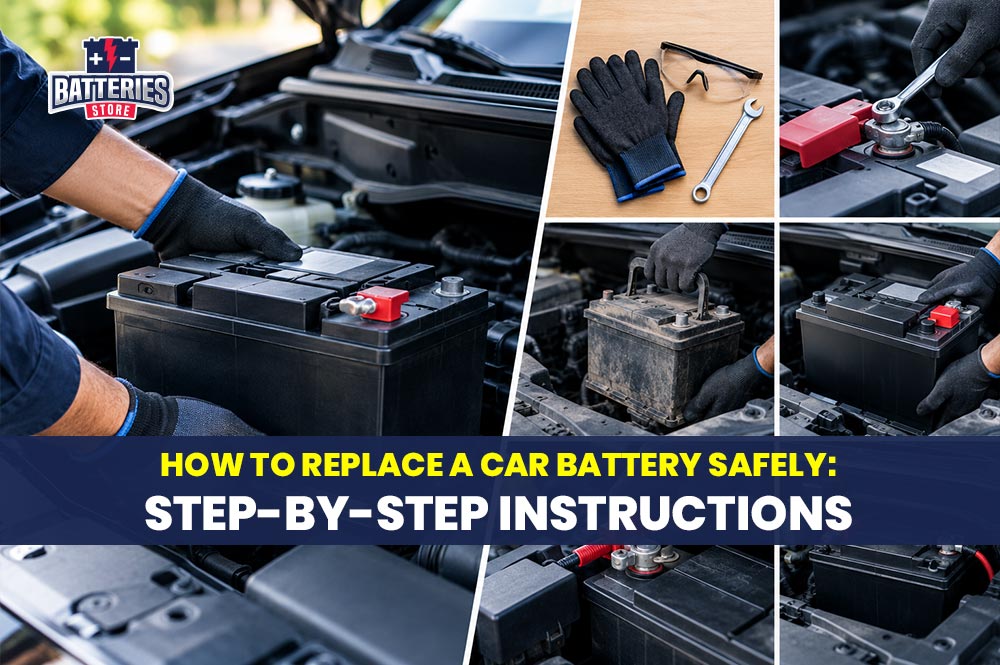
Car battery replacement may seem complicated, but many vehicles allow straightforward battery installation with the right precautions. Whether your battery has stopped working or needs replacing, understanding the process helps prevent costly mistakes.
However, not every vehicle supports simple DIY replacement. Some modern cars require battery registration, electronic resets, or special installation procedures. This guide explains how to change a car battery safely, check the installation, and understand replacement costs in Canada.
When Should You Consider Car Battery Replacement?
Before replacing your battery, confirm that it actually needs replacement. A discharged battery may only need recharging, while a faulty alternator can cause similar problems.
A professional battery test helps determine whether the battery can hold sufficient charge and deliver the required starting power.
Also, inspect the battery case. Swelling, cracks, or electrolyte leaks indicate potential safety hazards. Avoid handling a damaged battery yourself.
If your vehicle repeatedly struggles to start, request a battery and charging-system inspection before purchasing a replacement.
What You Need Before Replacing a Car Battery
Having the correct equipment makes battery replacement safer and easier.
Prepare safety gloves, protective glasses, insulated or appropriately sized hand tools, and a suitable battery lifting handle.
Before purchasing a replacement, check your owner’s manual for the correct battery specifications. Confirm the group size, terminal arrangement, battery technology, and cold cranking amps (CCA).
For example, vehicles equipped with start-stop technology may require an AGM or EFB battery. Installing an incompatible battery can affect electrical performance.
Some vehicles also need diagnostic equipment to register a new battery. If your manual specifies this procedure, arrange professional installation.
How to Replace a Car Battery: Step-by-Step Instructions
The following steps apply to many conventional 12V vehicles. Always follow manufacturer instructions when they differ.
Step 1: Park Safely and Turn Off the Vehicle
Park on level ground and engage the parking brake. Switch off the ignition, headlights, and electrical accessories.
Allow the engine to cool before opening the battery compartment. Remove jewellery and keep metal objects away from exposed terminals.
Never attempt replacement if the battery is frozen, leaking, or visibly damaged.
Step 2: Locate the Battery and Identify the Terminals
Open the bonnet and locate the battery. Some vehicles position it inside the boot or beneath a seat.
Identify the positive (+) and negative (-) terminals before touching either connection.
The positive terminal usually has a red cover. However, always verify the symbols rather than relying on colour alone.
Step 3: Disconnect the Negative and Positive Terminals
Loosen the negative terminal clamp first and carefully move the cable aside.
Next, disconnect the positive terminal. Prevent the disconnected cables from contacting battery posts or metal surfaces.
On most conventional negative-ground vehicles, disconnecting the negative terminal first reduces the risk of shorting the positive terminal to the vehicle body. Never allow a metal tool to bridge both terminals.
Step 4: Remove the Old Battery
Locate and remove the battery hold-down bracket or retaining strap.
Lift the battery carefully, keeping it upright. Car batteries are heavy, so use a suitable lifting handle when available.
Inspect the battery tray for damage or excessive corrosion before proceeding.
Step 5: Install the New Car Battery
Position the replacement battery correctly inside the tray.
Confirm that its terminals match the vehicle’s cable arrangement. Ensure the battery sits securely without pressing against surrounding components.
Reinstall the hold-down bracket according to manufacturer specifications.
Step 6: Reconnect the Terminals and Secure the Battery
Connect the positive (+) cable first, followed by the negative (-) cable.
Tighten the connections to the manufacturer’s specifications. Avoid overtightening, which can damage battery posts.
Finally, check that the battery cannot move and the terminal covers are correctly positioned.
How to Test a Car Battery After Replacement
After installation, start the engine and check for unusual warning lights.
You can also measure battery voltage using a digital multimeter.
With the engine off and the battery rested, a fully charged conventional 12V lead-acid battery typically measures approximately 12.6 to 12.8 volts.
With the engine running, many conventional charging systems show approximately 13.8 to 14.7 volts. Smart charging systems may operate outside this range.
Voltage alone cannot confirm battery health. Therefore, consider a professional load or conductance test if starting problems continue.
Common Car Battery Replacement Mistakes to Avoid
One common mistake is buying a battery based only on physical size. The correct specifications also include terminal position, battery type, and electrical requirements.
Another mistake is leaving the battery unsecured. Movement can damage connections and surrounding components.
Additionally, some vehicles require battery registration or electronic system resets after replacement. Skipping these procedures may affect charging performance.
Always consult your vehicle manual before beginning.
How Much Is a Car Battery Replacement in Canada?
The car battery replacement cost depends on battery type, vehicle requirements, and installation complexity.
As a general planning estimate, conventional replacement batteries may cost approximately CAD $150 to $300. Premium AGM models can cost CAD $250 to $450 or more.
Professional installation, diagnostic programming, taxes, and refundable core charges may increase the total.
For an accurate quote, provide your vehicle’s year, make, model, and engine details.
Professional Car Battery Replacement in Calgary, Regina and Red Deer
Not comfortable replacing your battery yourself? Batteries Store can help you find a suitable replacement for your vehicle.
If you’re searching for car battery replacement near me, contact your nearest Batteries Store location for product availability, pricing, and installation options.