Engine Cranks But Won't Start in Cold Weather - Most Common Causes
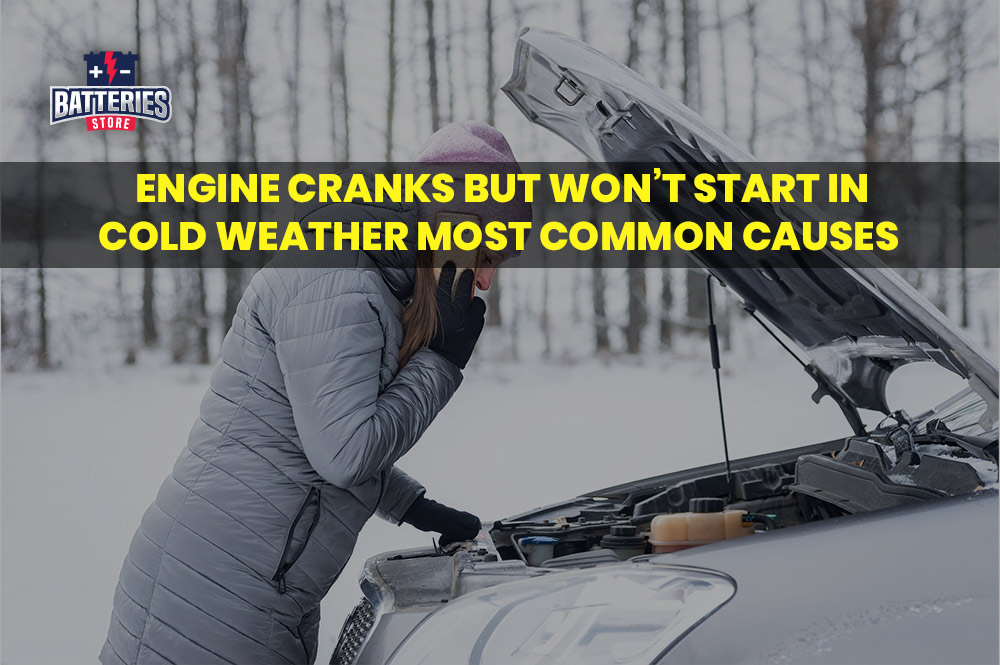
Few things are more frustrating than turning the key on a freezing Calgary morning, hearing the engine crank, and then… nothing. The vehicle sounds like it wants to start, but it just won’t fire up. This problem becomes extremely common during winter, especially when temperatures dip well below zero.
While many drivers assume this is a fuel or engine issue, in most winter cases, the root cause is battery-related. Understanding why this happens can help you avoid unnecessary repairs, prevent breakdowns, and choose the right battery solutions for Calgary’s harsh climate.
Why This Problem Is So Common in Calgary Winters
Cold weather slows down chemical reactions inside your battery while simultaneously increasing the amount of power your engine needs to start. The result is a perfect storm: your battery delivers less power exactly when your vehicle demands more.
In Calgary, overnight temperatures often drop low enough to expose weak batteries that may seem fine during warmer months. That’s why this issue usually appears suddenly during winter rather than gradually.
What Does “Engine Cranks but Won’t Start” Actually Mean?
When your engine cranks, it means the starter motor is turning the engine over. However, starting the engine requires additional electrical power to fuel injection systems, ignition components, and onboard electronics.
In cold weather, a battery may have enough power to crank the engine but not enough usable voltage under load to complete the starting process. This is why the battery is often the main culprit—even when the engine sounds active.
Weak Battery Due to Cold Temperatures
This is the most common cause of winter no-start issues in Calgary. Cold weather can reduce a battery’s effective power output by 30–50 percent, depending on temperature and battery condition.
If your battery is marginal, winter will expose it immediately. Vehicles with older batteries or low Cold Cranking Amps (CCA) are especially vulnerable during cold snaps.
Signs your battery may be too weak for winter include:
- Slow or laboured cranking
- Interior lights dimming while starting
- The problem occurring only in cold weather
Battery Voltage Drops Under Load
A battery can show normal voltage at rest but fail when asked to deliver power during starting. This is known as voltage drop under load, and it becomes more pronounced in freezing temperatures.
Cold thickens engine oil and increases resistance in electrical systems. As a result, the battery struggles to maintain sufficient voltage when starting, causing the engine to crank but not ignite properly.
This is why visual checks alone are unreliable in winter—battery testing under load is far more accurate.
Battery Drained Overnight in Freezing Conditions
Many Calgary drivers experience this issue after parking overnight outdoors. Even a healthy battery can lose charge faster in cold weather, especially if the vehicle isn’t driven long enough to recharge fully.
Short winter trips, combined with heaters, defrosters, and seat warmers, place additional strain on the battery. Over time, this leads to insufficient charge to support a cold start.
Common Winter Contributors include:
- Short drives that don’t allow recharging
- Vehicles parked outside overnight
- Parasitic drain amplified by cold
Battery Is Too Old for Calgary Winters
Car batteries typically last three to five years, but in cold climates like Calgary, lifespan often skews toward the lower end. Older batteries lose their ability to deliver high bursts of power, even if they appear functional.
Winter often causes older batteries to fail suddenly, without much warning. If your battery is more than three years old, winter testing becomes especially important.
Poor or Frozen Battery Connections
Battery terminals play a critical role in winter starting performance. Corrosion, loose connections, or moisture buildup can restrict power flow—an issue that becomes worse in freezing temperatures.
Even minor resistance at the terminals can prevent sufficient power from reaching the starter and ignition systems. In winter, this can be the difference between starting and being stranded.
When the Battery Isn’t the Only Issue
While battery-related problems cause most winter no-start situations, other factors can contribute. Cold weather can strain starter motors and affect fuel delivery, particularly in extreme temperatures.
However, these issues are far less common than battery-related failures. That’s why testing the battery first is always the smartest and most cost-effective step.
How to Diagnose the Problem Before Replacing Anything
Before assuming the worst, it’s important to diagnose the issue correctly. Guessing can lead to unnecessary expenses and repeated breakdowns.
A proper diagnosis should include:
- Visual inspection of battery terminals
- Load testing to measure real starting power
- Checking battery age and CCA rating
Battery testing is especially important in winter because surface voltage readings alone can be misleading.
Products That Prevent Cold-Weather No-Start Issues
Preventing this problem is far easier than dealing with it during a cold morning emergency. The right products can dramatically reduce winter starting issues.
Effective winter solutions include:
- High-CCA winter-rated car batteries
- Smart battery chargers and maintainers
- Portable jump starters for emergencies
Smart battery chargers help maintain battery health during cold periods, while jump starters provide peace of mind when unexpected failures occur.
When to Recharge, Test, or Replace Your Battery
Knowing what action to take depends on the battery’s condition. Recharging may help a drained battery, but it won’t fix a weak or aging one.
As a general rule:
- Recharge if the battery is healthy but discharged
- Test if symptoms appear in cold weather
- Replace if the battery fails load testing or is past its winter lifespan
Taking preventive action before temperatures drop can save time and stress.
Why Professional Battery Testing Matters in Winter
Winter battery testing measures how well a battery performs under real-world conditions. It reveals whether the battery can deliver sufficient power during cold starts, not just whether it holds a charge.
Professional testing eliminates guesswork and ensures you replace a battery only when necessary—something especially valuable during Calgary winters.
Conclusion
When your engine cranks but won’t start in cold weather, the battery is usually the root cause. Calgary’s winter conditions are unforgiving, and even slightly weakened batteries can fail without warning.
Understanding the causes and acting early can prevent breakdowns, missed workdays, and roadside emergencies.
Get Your Battery Winter-Ready at Batteries Store Calgary
If your vehicle struggles to start in cold weather, visit Batteries Store Calgary for professional battery testing, winter-rated replacements, smart chargers, and emergency jump-start solutions.
Our team understands Calgary winters and can help you choose the right battery products to keep your vehicle reliable all season long.
Don’t wait for a breakdown—prepare your battery for winter today.