

Why Selling Batteries Is One of the Best Side Hustles in Canada
Selling batteries is one of the Best Side Hustles in Canada because every vehicle, boat, RV, solar system, and mobility device depends on a battery that will eventually need replacing. The demand never stops, the product sells itself, and the startup costs are lower than almost any other product-based business you can start in Canada today.
Whether you drive for Uber, work as a mobile mechanic, run an auto repair shop, or simply want to build a new income stream from scratch, selling batteries offers a flexible and scalable way to earn extra money on your own schedule. This guide explains exactly why battery sales work as a side hustle in Canada and how you can get started today through the Batteries Store Battery Sales Partner Program.
What Makes Something One of the Best Side Hustles in Canada?
Not all side hustles are created equal. Most Canadians who explore extra income opportunities quickly discover that the majority require either significant upfront investment, specialized skills, or hours of unpaid marketing before the first dollar comes in.
The best side hustles in Canada share a specific set of characteristics. They sell products or services that people already need and actively seek out. They have low startup costs and manageable inventory. Also, they offer flexible working arrangements that fit around an existing job or lifestyle.
Battery sales checks all of these boxes simultaneously, which is why it stands apart from many of the more commonly advertised side hustle options like food delivery, drop shipping, or freelance gigs.
| Side Hustle | Startup Cost | Demand Consistency | Flexible Hours? | Repeat Customers? |
| Battery Sales Partner | Low | Very High (year-round) | Yes | Yes |
| Food Delivery (Uber Eats) | Very Low | High | Yes | No (platform-dependent) |
| Dropshipping / eCommerce | Medium–High | Variable | Partially | Rarely |
| Freelance Graphic Design | Low | Variable | Yes | Sometimes |
| Car Detailing | Medium | Seasonal | Yes | Sometimes |
| Battery Franchise / Reseller | Low–Medium | Very High | Yes | Sometimes |
Why Batteries? Understanding the Demand
Canada has over 26 million registered vehicles on the road. Add to that hundreds of thousands of boats, RVs, ATVs, UTVs, snowmobiles, golf carts, mobility scooters, solar systems, and UPS backup units. Every single one of these devices runs on a battery that will wear out within two to five years.
This creates a massive, predictable, and recurring replacement market. Unlike many consumer products, battery demand does not fluctuate with fashion trends or seasonal fads. People replace their batteries because they have to, not because they want to.
Every Vehicle Needs a Battery Eventually
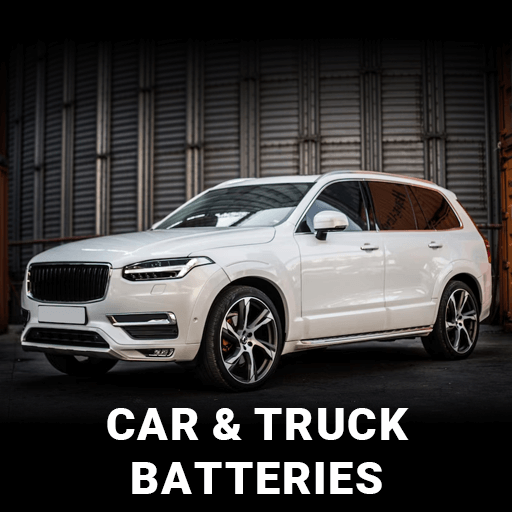
A car battery typically lasts three to five years in Canada. Cold winters shorten this lifespan significantly. Calgary, Edmonton, Regina, and Winnipeg regularly experience temperatures below -20°C, which places extreme strain on standard car batteries.
This means that in any given Canadian city, a large percentage of vehicles on the road today are within one or two harsh winters of needing a replacement battery. Therefore, the sales opportunity in any neighbourhood or suburb is substantial and consistent year after year.
Batteries Are a Repeat-Purchase Product
Unlike many products that a customer buys once and rarely needs again, batteries are replaced on a predictable cycle. A customer who buys a car battery from you today will need another battery in three to five years. If you also serve their truck, RV, boat, and lawn mower, one loyal customer can generate multiple repeat sales each year.
Also, customers who trust you for their car battery will naturally come back for their motorcycle battery in spring, their snowmobile battery before winter, and their RV battery before a camping season. This natural upselling opportunity is built into the product category.
Why Battery Sales Is a Smarter Side Hustle Than Most
Many popular Canadian side hustles require you to trade time directly for money, with no ability to scale. Food delivery, for example, pays by the trip. When you stop driving, the income stops immediately.
Battery sales work differently. Once you build a customer base, referrals and repeat purchases create income that does not depend entirely on your time. A garage owner who starts selling batteries through the Batteries Store Partner Program, for example, generates battery revenue from customers who are already coming in for oil changes and tire rotations.
Also, unlike gig-economy platforms, battery sales give you full control over your margins, your customer relationships, and your schedule. You are building a real business asset, not just completing tasks for a platform that can remove you at any time.
Key insight: Battery sales partners who leverage existing customer relationships in automotive, fleet, or mobility businesses often generate their first sales within days of joining a program, without spending a dollar on advertising.
Who Can Sell Batteries as a Side Hustle in Canada?
One of the most appealing aspects of battery sales is how accessible it is. You do not need an automotive background, a storefront, or a large initial investment. Virtually anyone with an existing customer base or a network in their local community can build a profitable battery sales side hustle.
Gig Workers and Rideshare Drivers
Uber drivers, Lyft drivers, taxi drivers, and delivery drivers spend more time around vehicles than almost any other professional group. They know when their own battery is struggling and they understand the frustration of a vehicle breakdown.
This lived experience makes them credible and relatable when recommending battery replacements to their network of contacts, friends, and fellow drivers. Rideshare drivers who join the Batteries Store Sales Partner Program can offer battery referrals and earn commissions on sales without leaving their existing job.
Mechanics, Auto Shops, and Tire Stores
Mobile mechanics and employees at auto repair shops, tire stores, and auto parts retailers are ideally positioned to sell batteries. They already have customers coming to them with car problems, and a failing battery is one of the most common issues they encounter.
By becoming a Batteries Store dealer or sales partner, mechanics and shop owners can add battery sales to their existing service offering without significant changes to their workflow. The customer is already in the shop; offering a quality battery replacement at a competitive price is a natural addition.
Fleet Operators and Delivery Drivers
Fleet managers responsible for multiple company vehicles understand better than anyone how battery failures disrupt operations and cost money in unexpected downtime. A fleet of 10 delivery vehicles might need five to seven new batteries per year at Canadian winter cycling rates.
Fleet operators who join the Batteries Store Partner Program can source batteries at wholesale pricing for their own fleet while also supplying neighbouring businesses and independent contractors in their network, creating a dual income stream from a single partnership.
Entrepreneurs and Home-Based Business Owners
For Canadians actively looking to start a side business or expand an existing one, battery sales offers a product category with proven demand, no complex technical skill requirements, and clear paths to scaling from part-time reseller to full dealer or distributor.
Also, battery sales pairs naturally with many complementary businesses. Car detailers, auto parts sellers, towing and roadside assistance operators, RV storage facilities, and marine services businesses all serve customers who regularly need batteries.
How Much Can You Realistically Earn Selling Batteries in Canada?
Battery sales income depends on your volume, your customer base, and which tier of the Batteries Store partner program you join. However, the unit economics are straightforward and transparent.
A typical car battery retails between $120 and $300 in Canada depending on type and group size. Dealer and reseller pricing through programs like Batteries Store's partner program provides a meaningful margin on each unit. Selling just five to ten batteries per week as a part-time side hustle generates a significant monthly income supplement.
| Monthly Sales Volume | Average Margin Per Battery (est.) | Estimated Monthly Income |
| 5 batteries / month | $30–$60 per unit | $150–$300 |
| 15 batteries / month | $30–$60 per unit | $450–$900 |
| 30 batteries / month | $30–$60 per unit | $900–$1,800 |
| 50+ batteries / month | $30–$60 per unit | $1,500–$3,000+ |
Note: Margins vary by battery type and program tier. High-capacity LiFePO4, AGM, and commercial batteries often carry higher margins than standard automotive batteries. Actual earnings depend on your sales volume and customer mix.
Partners who serve commercial clients, fleet operators, or businesses purchasing multiple batteries at once tend to earn significantly more per transaction. A single sale to a small fleet operator or an RV dealer can be worth more than a week of individual retail sales.
The Best Side Hustles in Canada Share One Thing: Low Startup Risk
Starting a business in Canada traditionally involves significant financial risk. Signing a commercial lease, purchasing inventory, building a website, and running paid advertising all cost money before a single sale is made.
Battery sales through the Batteries Store partner network eliminate most of this startup risk. You do not need a physical storefront. You do not need to pre-purchase large amounts of inventory. Also, you leverage Batteries Store's existing product range, supply chain, pricing, and brand reputation rather than building everything from scratch.
This low-risk entry point makes battery sales particularly attractive for Canadians who want to test a new income stream before committing to a full-time business venture. You can start part-time, build your customer base, and scale your involvement as your income grows.
Batteries Store Battery Sales Partner Program
Batteries Store has launched a Battery Sales Partner Program designed specifically for Canadians who want to earn extra income by selling batteries in their local city, town, or suburb. The program is open to individuals and businesses across Canada and offers flexible entry points depending on your goals and existing situation.
What the Program Offers
Wholesale Pricing: Approved partners access competitive dealer pricing and volume discounts that provide meaningful margins on every battery sold.
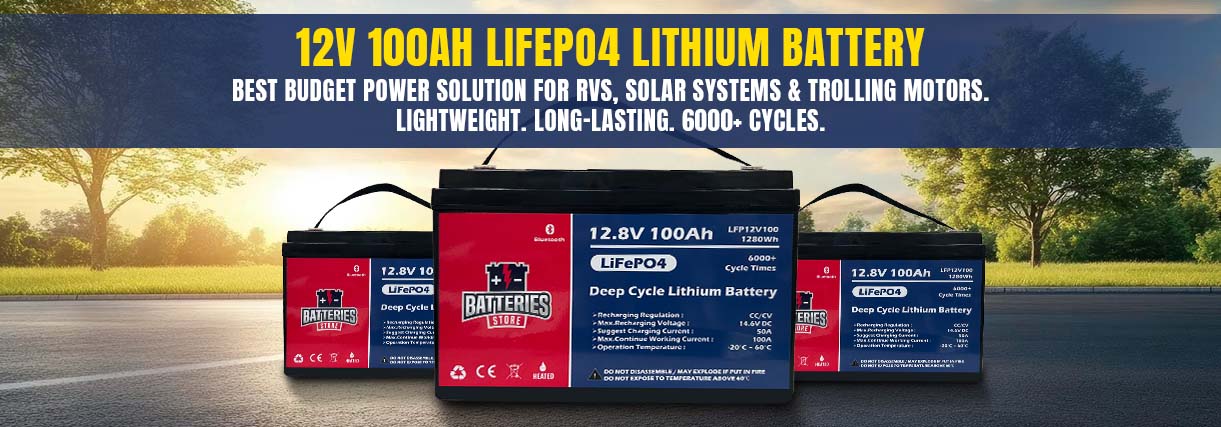
Broad Product Range: From automotive and truck batteries to marine, RV, solar, golf cart, mobility scooter, and LiFePO4 lithium batteries, partners can serve customers across virtually every battery application.
Local Presence and Fast Fulfillment: With locations in Calgary, Regina and Red Deer, Batteries Store provides quick order turnaround and consistent stock availability to support partner sales.
Business Support: Partners receive guidance on product selection, customer recommendations, and growing their battery sales operation over time.
Flexible Partnership Structure: The program accommodates dealers, distributors, resellers, and referral partners - making it accessible whether you want to carry inventory or refer customers.
Who Is Eligible to Join?
The program is intentionally open and inclusive. Batteries Store welcomes applications from a wide range of individuals and business types across Canada:
- Rideshare and taxi drivers (Uber, Lyft, local taxi operators)
- Delivery and courier drivers (Purolator, Amazon Flex, independent couriers)
- Gig workers and freelancers looking to add a product-based income stream
- Mobile mechanics and roadside assistance operators
- Auto repair shops and garages looking to add a battery supply line
- Tire shops and auto parts stores wanting to expand their product offering
- Fleet operators and transport companies managing multiple vehicles
- RV dealers, marine service centres, and golf course operators
- Entrepreneurs starting a new automotive side business or looking to diversify
How to Start Selling Batteries in Canada with Batteries Store
Getting started as a Batteries Store sales partner is straightforward. The process is designed to be fast, accessible, and low in friction so you can begin generating income as quickly as possible.
Step 1 - Apply Online: Visit the Become a Dealer page at batteriesstore.ca and complete the partner application form with your name, location, business type, and how you plan to sell batteries.
Step 2 - Get Approved: The Batteries Store team reviews your application and confirms your partner status. Approval is typically fast, particularly for established businesses with an existing customer base.
Step 3 - Access Wholesale Pricing: Once accepted, you gain access to dealer pricing across the full Batteries Store product range, from standard automotive batteries to premium LiFePO4 lithium units.
Step 4 - Start Selling: Begin offering batteries to your existing customers, network, or community. Leverage your existing relationships to generate your first sales with zero advertising spend.
Step 5 - Scale Your Operation: As your volume grows, explore higher-tier partnership options including formal dealer and distributor arrangements that unlock better margins and territory support.
Apply to the Batteries Store Partner Program and start your battery sales journey today.
Battery Franchise and Distributor Opportunities in Canada
For Canadians who want to go beyond a part-time side hustle and build a more substantial business, Batteries Store also offers dealer and distributor arrangements that represent a meaningful automotive business opportunity.
A battery distributorship or dealer agreement in Canada positions you as the go-to battery supplier in your local area. This is particularly valuable in smaller cities, towns, and rural communities where access to a broad battery range is limited and customers often struggle to find the right battery locally.
The battery industry in Canada is growing alongside the expansion of electric vehicles, solar energy storage, and the electrification of recreational equipment. Therefore, getting into battery distribution now means building a business in an industry with strong long-term growth fundamentals.
Auto shops, tire stores, fleet suppliers, hardware stores, and even independent convenience stores in rural areas have successfully added battery sales as a profitable product line. Also, e-commerce battery resellers who operate through platforms like Shopify or local online marketplaces represent a growing segment of the Batteries Store dealer network.
Tips for Succeeding as a Battery Sales Partner
Starting is easy. Growing your battery sales side hustle into a consistent and meaningful income stream requires a few practical strategies.
Start with your existing network: Your first sales will almost certainly come from people who already know and trust you. Tell your friends, family, neighbours, and existing customers that you now supply batteries.
Learn the basics of battery types: You do not need to be a battery engineer. However, understanding the difference between AGM and flooded batteries, and knowing which group sizes fit common vehicles, will make you far more confident and credible in conversations with customers.
Focus on solving a problem: Customers buy batteries because their existing one has failed or is about to fail. Position yourself as a convenient, reliable solution to a real and immediate problem rather than simply a product seller.
Offer simple, clear pricing: Battery customers generally appreciate straightforward pricing without complicated add-ons. Be transparent about your pricing and the quality of what you are supplying.
Ask for referrals after every sale: A satisfied battery customer will refer friends and family if you simply ask. Word-of-mouth referrals in battery sales convert at a very high rate because a recommendation from a trusted source removes the customer's uncertainty about product quality.
Conclusion
Selling batteries is one of the Best Side Hustles in Canada because it combines consistent, recession-proof demand with low startup costs, flexible working hours, and genuine potential to grow from a part-time income stream into a full-scale automotive business.
Every vehicle, boat, RV, solar system, and mobility device in Canada will need a battery replacement sooner or later. That predictable, recurring demand means your income opportunity does not disappear with a trend, a platform update, or a slow season. It simply keeps growing as your customer base grows.
Batteries Store's Battery Sales Partner Program gives you access to a proven product range, wholesale pricing, and the support of an established Canadian battery supplier - without the barriers that typically stop people from starting a side business. Whether you are an Uber driver looking for extra income, a mechanic wanting to add a profitable product line, or an entrepreneur ready to build an automotive business, this program was built for you.
Apply today at batteriesstore.ca or visit any of our three locations in Calgary, Regina or Red Deer to speak with our team. Your next income stream is closer than you think.
Frequently Asked Questions About Selling Batteries in Canada
Do I need a business licence to sell batteries in Canada?
Requirements vary by province and municipality. In most cases, a basic business registration is sufficient for a sole proprietorship. Batteries Store can provide guidance on what is typically needed in Calgary, Regina, and Red Deer. For a full dealer or distributor arrangement, a registered business is recommended.
How much do I need to invest to start selling batteries as a side hustle?
The Batteries Store Sales Partner Program is designed to minimize upfront costs. You do not need to purchase large amounts of inventory to begin. Many partners start by referring customers or taking orders and having batteries supplied directly, reducing the need for significant capital at the start.
Can I sell batteries online as part of this program?
Yes. Battery sales through online platforms and local community groups are a growing channel. E-commerce partners who operate Shopify stores, Facebook Marketplace listings, or local classified platforms are welcome in the Batteries Store dealer network.
What types of batteries can I sell through the program?
Partners have access to Batteries Store's full product range, including automotive, truck, marine, RV, golf cart, LiFePO4 lithium, sealed lead-acid, mobility scooter, snowmobile, ATV, and UTV batteries. This broad range allows you to serve virtually any customer who comes to you with a battery need.
Can I sell batteries while keeping my current job?
Absolutely. The program is specifically designed for individuals who want to earn extra income alongside existing employment. Many successful partners begin by selling to their existing network in their spare time and gradually grow their sales volume from there.
Is there a territory restriction for battery sales partners?
Contact Batteries Store directly to discuss territory arrangements. In general, the program is open to partners across Canada, with opportunities available in cities, towns, suburbs, and rural communities where access to quality batteries is currently limited.